Offline vs Online Document Processing: Which is Safer for Sensitive IDs?
The Dilemma of Document Manipulation
When you need to crop, merge, or compress your PAN card or Aadhaar card, you face a distinct choice: do you download an offline desktop application like Adobe Photoshop or a local PDF editor, or do you quickly search for an online web utility? Both paradigms offer unique advantages, but when dealing with extremely sensitive KYC documents, safety must be the primary metric of evaluation.
The Case for Offline Processing
Historically, processing documents "offline" using locally installed desktop software has been the gold standard for security.
Advantages of Offline Software
- Absolute Data Sovereignty: Because your computer is not transmitting data to the cloud during the editing process, the risk of interception is practically zero.
- Feature Richness: Premium offline software provides unparalleled granular control over image compression algorithms, color correction, and metadata removal.
Drawbacks of Offline Software
However, traditional offline software is often prohibitively expensive. Furthermore, downloading random "freeware" document editors from unverified sources exposes your entire operating system to aggressive malware, ransomware, and background keyloggers, which can be infinitely more dangerous than a cloud breach.
The Evolution of Online Document Processing
The first generation of online document tools were entirely server-based (cloud-processed). These are notoriously bad for privacy, as discussed in our piece on protecting your privacy online. You are essentially handing over your identity documents to an unknown server administrator.
The Modern Hybrid: Client-Side Web Applications
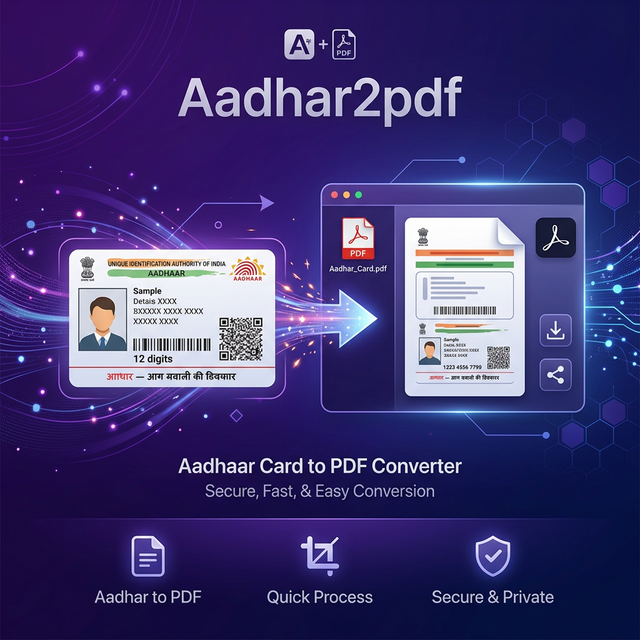
A massive paradigm shift has occurred with the advent of "Client-Side" web applications. Tools built with these modern frameworks offer the absolute best of both worlds. They operate entirely within the web browser but do not require any server-side upload.
They provide the accessibility and convenience of an online tool without the excruciatingly dangerous data vulnerability of cloud uploads. Since the web browser acts as an isolated sandbox, you don't risk infecting your machine with the malware commonly found in downloadable freeware.
Conclusion: The Verdict
For processing sensitive KYC IDs, downloading bulky, potentially expensive offline software is no longer strictly necessary. However, relying on ubiquitous, server-processing online platforms is a severe security risk. The optimal, safest route in 2026 is to utilize a strictly Client-Side web utility that runs natively in your browser while keeping your data offline. This is the precise engineering philosophy that powers our platform.